
24 Mar 9 Craft Trends Dominating 2026 (For Makers & Retailers)
Each year, the Stitchcraft Marketing team comes together to compile and discuss trends we’re seeing within the craft industry. We also like to take it a little further than the inventory you can stock your shop with–at Stitchcraft, we like to dig into how you can leverage these trends strategically, be it to grow your sales revenues or build a stronger connection with audience members.
This year, we see several trends continuing from past years. Some remain with the same heart that started the trend; others are evolving. We’ll start there.
Small Scarves
View this post on Instagram
When The Strategist posted the above question to Instagram in November 2025, knitters rushed to the comments for a full-scale takedown. @shoppingcarts responded: “So you’re telling us there are no knitters on staff 🫡 cc @petiteknit.” @binarypineapple responded: “Not even acknowledging @petiteknit and her popularization of the triangular scarf with her Sophie scarf pattern shows a lack of diligence.”
Knitters were rightfully up in arms: the small scarf, most potently in the form of the now iconic Sophie Scarf, has been popular and trending since at least 2022, when Petite Knits first published the pattern. The Sophie Scarf has been translated into 17 different languages, boasts more than 49,000 projects on Ravelry, and has inspired countless copycat patterns in various crafts, including crocheted and sewn versions. Crafters were way ahead on this trend; it’s not our fault that fashion giants like Who What Wear, Glamour, and Vogue are only now catching up.
Who doesn’t love an ironically skinny scarf wrapped around your neck…or even better, around your dog’s neck? And, there’s some real marketing value in one-skein or one-yard wonders. Small scarves, whatever the design, continue to trend both in terms of accessibility of the project in time and money, as well as the opportunity for individual expression. Consider adding seasonal skinny scarf workshops to your educational rotation or packaging small fabric kits or one-skein yarn kits with small-scarf patterns. With a project so quick and small, why not have a scarf for every season?!
Vests
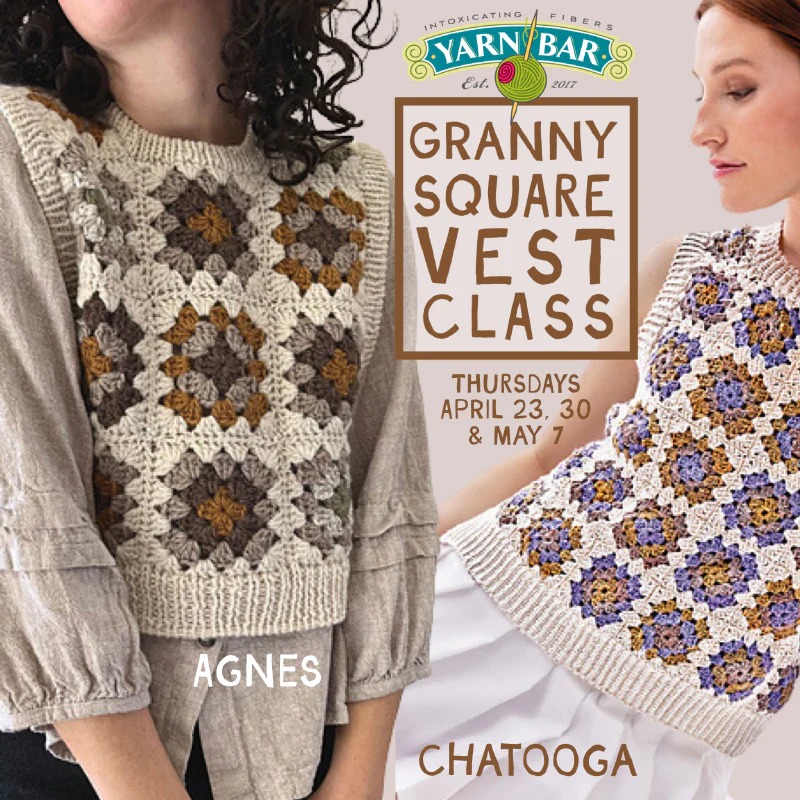
Vests continue to trend upward both in fashion and craft. Quilted patchwork vests, granny square vests, and knit vests remain popular for several reasons: Many of these patterns are modular, so they can be worked in smaller pieces and made with fabric or fiber scraps; knitters in particular love a sleeveless garment (so long, sleeve island!); and layers and layering are perennially popular among crafters (all the warmth, none of the bulk).
At Stitchcraft, we love a quilted vest with tie closures as much as a knitted pullover. When marketing a vest-making class, consider positioning with messaging around the versatility of including vests in one’s wardrobe. Focusing on the benefits of the result first—in this case, a vest to be worn year-round—and the techniques to be learned second, helps new crafters connect with the project and get excited about the class.
Patchwork Crafts
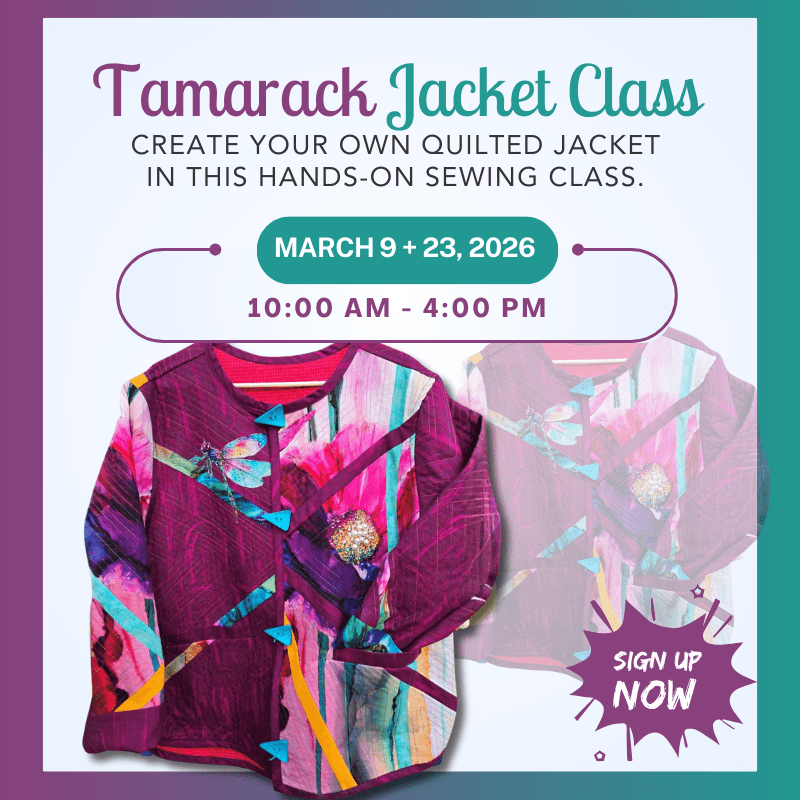
To be honest, we don’t see this trend going anywhere anytime soon. Many are digging into their stashes to save a little cash, and that means working with their scraps too. That doesn’t mean you, a savvy craft business owner, don’t have opportunities in this trend.
From mystery curated scrap bags, to highlighting your remnants bin, to workshops on patchwork projects and techniques, or hosting a community scrap swap, there are ways to work with rather than fight against patches and scraps.
Visible Embellishment
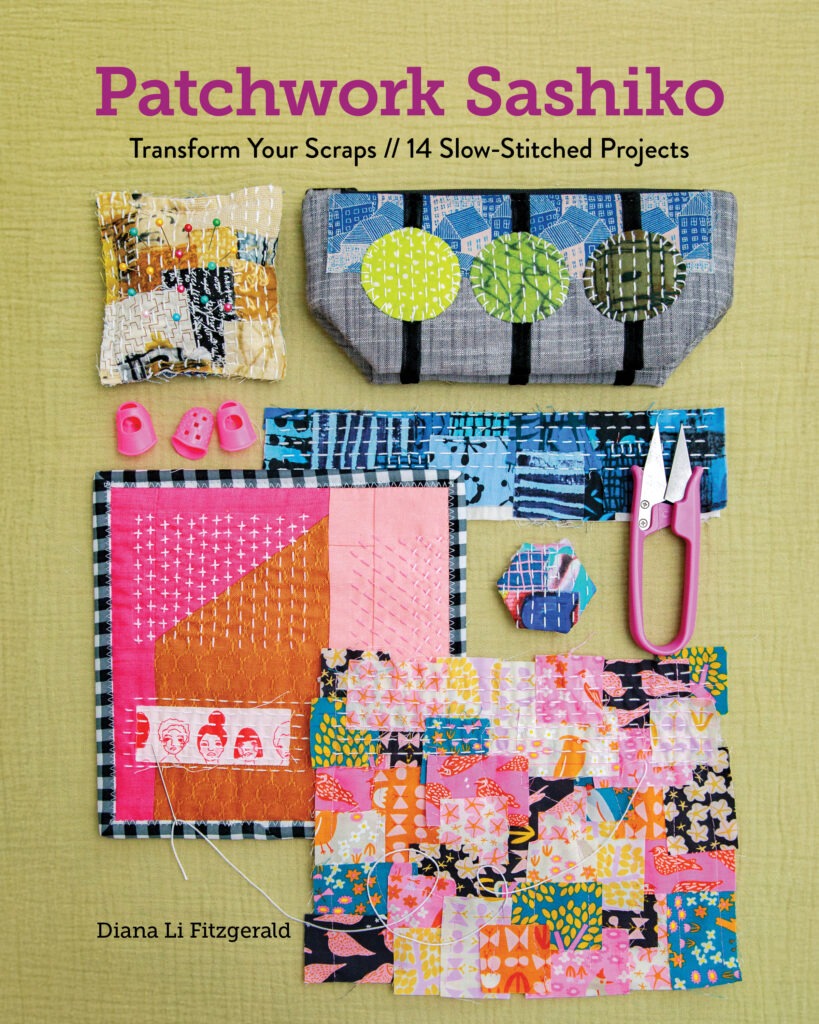
Patchwork Sashiko by Diana Li Fitzgerald, who is leading a visible mending class at Fiber+Fabric Craft Festival 2026
While in the last few years visible embellishment has focused on enhancing items with surface embroidery—stitching on sweater, shoes, bag, you name it—in recent months, we’ve observed a strong shift in focus to visible mending specifically. There are many reasons behind this shift, some of which include financial conservatism, political protest, and environmental impact concerns. Yet for some, it is simply an offshoot of visible embellishment at its core: an act of personal expression.
Consider hosting visible mending workshops or meetups. These can have a specific cause behind them or remain focused around a specific technique, like sashiko, or a set skill like zipper repair, with some flashy colors and threads, of course. The key to visible mending is that these repairs are no longer in hiding; they’re being celebrated.
Here are a few accounts leading the visible mending movement:
View this post on Instagram
Socorro Society | @socorro.society on Instagram: known for their leading hook, “Mend with me,” and focus on sashiko mending.
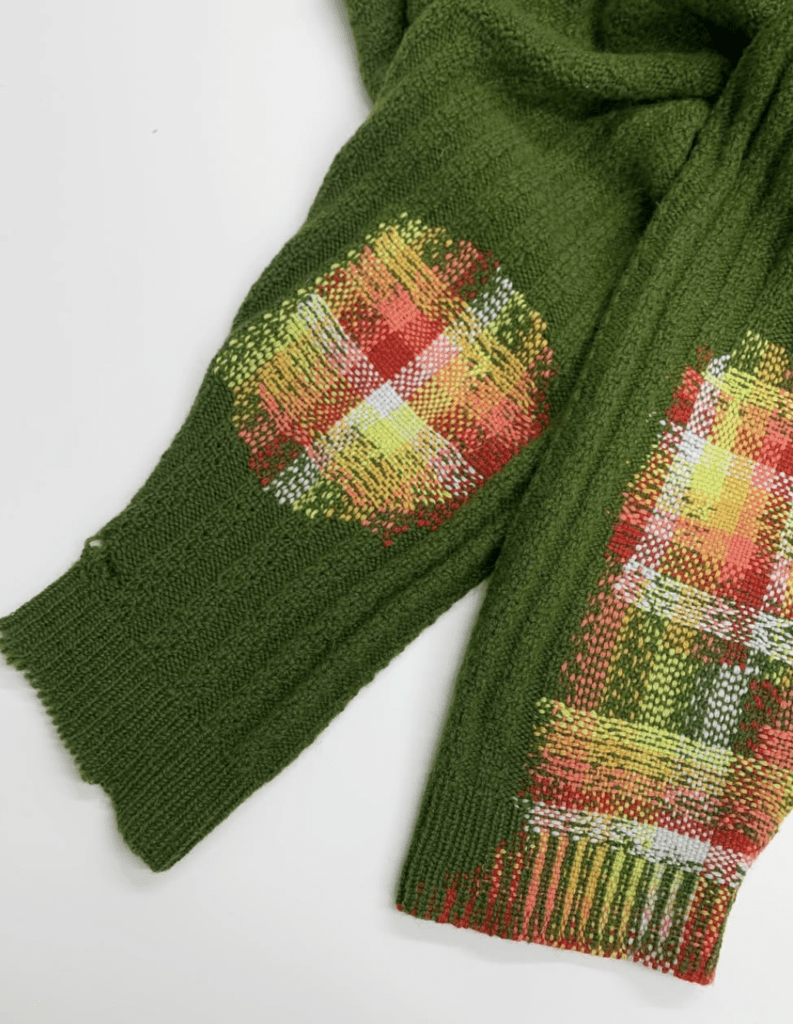
Collingwood-Norris | @visible_creative_mending on Instagram: known for Flora Collingwood-Norris’s fashion background lending to expressive sweater mending.
View this post on Instagram
Ministry of Mending | @ministryofmending on Instagram: known for sharing the tools of mending in the most approachable way.
———————————
Now, onto emerging or re-emerging trends. If you’ve been around long enough, you know these things happen in cycles, and we’re not going to act like that’s anything new.
Patches, not Patchwork
View this post on Instagram
Have you heard about patch bars? They’re akin to craft bars and hat bars, but lean into nostalgia meets visible mending. Michelle, our Ops Manager + in-house Paid Media expert, has been secretly planning a trip to Italy to spend an afternoon at the first patch bar she ever stumbled across on Instagram, The Oddity Patchbar; of course, gelato and museums would supplement this trip. But that’s the point – patch bars are designed to draw you in as a fun activity, and to the business owner’s delight, keep you around for a while.
We’re seeing patch bars pop up not just as exclusive locations but also as additions within stores that already exist–craft-focused or not, like Sweet Roots Apparel. Consider adding a mini patch bar for those who are craft-or-mend curious, but aren’t confident beyond pressing an iron-on. This is also a great opportunity to incorporate some brand swag, as you could in our next trend, too.
Other patch bars we’re watching on Instagram: @patchbarstudio, @patch_bar, and @patchbararizona
Snail Mail Clubs
Snail Mail Clubs (SMC) are a response to the growing analog, go outside, touch grass movement. That’s not all to be snarky. There’s an influx of studies around what extended screen time and endless scrolling are doing to our brains and our bodies, and getting physical mail over email is one of many small interventions (we’ll leave the analog bag for other bloggers to write about). Additionally, Team Stitchcraft finds signing up for SMCs readily aligns with some other trends we see and like: little luxuries (we wrote an entire article on these) and small ways to support artists.
The monthly subscription box is nothing new, but with SMCs, it’s a little smaller, a little more affordable, and often, a lot more personal. With Block21 Prints’ SMC, you get two exclusive stickers, an art card, and a card + envelope to send someone else a happy piece of snail mail, all for $9 + shipping.
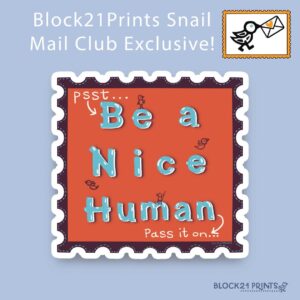
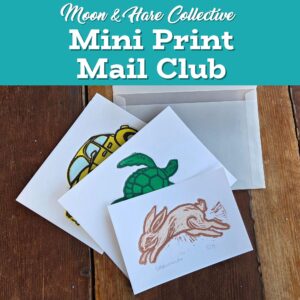
Other examples include Moon + Hare Collective’s Mini Art Prints Mail Club and Laura Doodles Doodle Mail Club. The Doodle Mail Club happens to include our next trend, Zines.
Zines + Junk Journaling
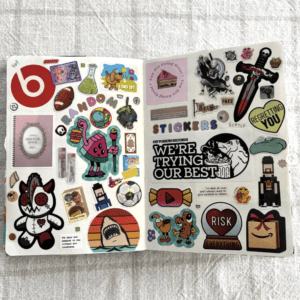
Zines were the rage in the ‘90s. Anyone could make one; anyone could distribute them. They could be as simple as a few written words, xeroxed and folded, to thoughtful graphic manifestos that likely took weeks of production. Although the standalone zine is making a comeback, in the craft world, we’re seeing these blended with junk journaling–and we are here for it. With junk journaling, the baseline material and technique goes beyond writing or drawing or painting on paper; it invites the creator to embroider, collage, and express in whatever way feels right.
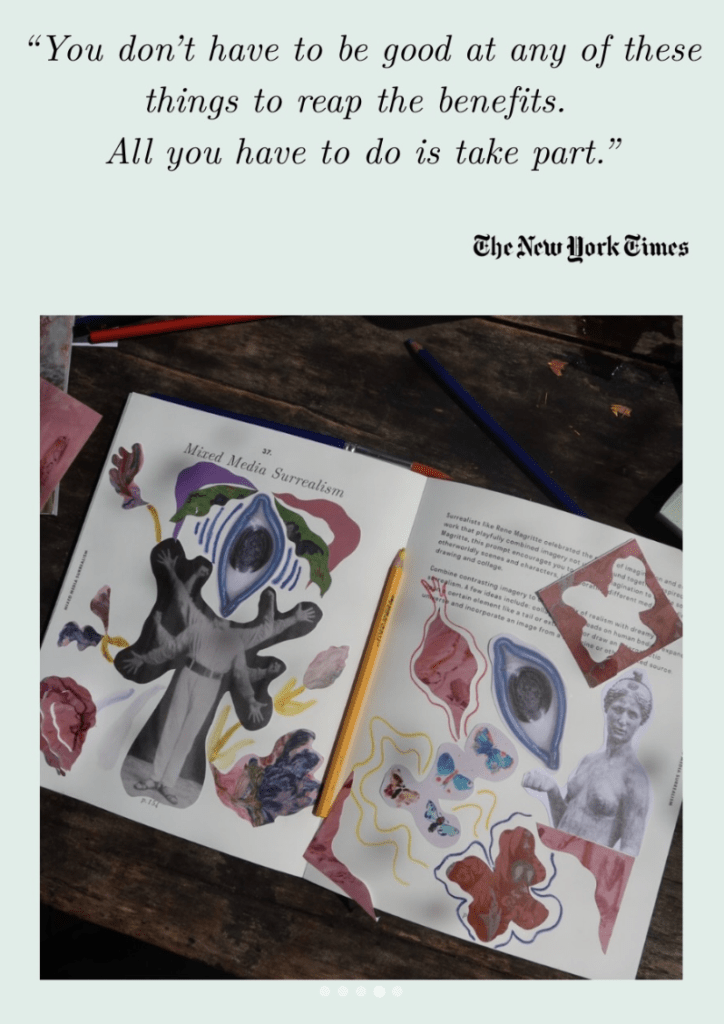
This is your opportunity to invite your community to get expressive with you. Host a workshop or community junk journaling hour. Invite people to bring in loved or found objects to incorporate, and add in some of those scraps and ends found around your shop or home, too. Consider framing messaging like, “If you were the kid who collected stickers, but never actually used them… and regret it, junk journaling is calling you. Come join us and let’s heal our inner children together.”
Some junk journalists we enjoy following:
View this post on Instagram
Exploring Special Interests through Craft
It’s not that special interests have never existed in the crafting world; it’s that we’re seeing so many more deep dives into special interests that you now have full permission to be all about dinosaurs and nothing else…or whatever it is you obsess about. Here are some people we’ve loved watching this year:

Meredith June Willmott |@the_leafhopper on Instagram: known as “the bug girl to knitting people; the knitting girl to bug people.”
View this post on Instagram
Hannah Simpson | @hannahsimpsonstudio on Instagram: known for creating monsters that invoke laughter and joy.
View this post on Instagram
Banana Belting | @bananabelting on Instagram: a collection of over 75 unique ceramic bananas. We encourage you to find your favorite banana. No joke.
Engaging in this trend only requires that you have an obsession with something niche and specific. And that’s also the beauty of this trend; by being niche and specific, you may be the only craft business engaging and actively promoting your special interest. This makes you a primary source for similar obsessives. Knit gnome designer Sarah Schira of Imagined Landscapes comes to mind—she’s created an avid and engaged community gathered around her love and promotion of knitted gnomes.
The Return of the Multicraftual Shop
View this post on Instagram
We may have lost JOANN, and Michaels may be disappearing from many places around the US, but more and more shops are turning into havens for all kinds of crafters. Yarn shops, quilt shops, and needlepoint shops remain, but we’re witnessing many shops shift or begin their retail journey to embrace multiple crafts—and they’re thriving. Rather than diluting themselves, these multifaceted shops have created a welcoming space for the craft community at large. Also, by including multiple craft types, they’re encouraging crafters to explore adjacent crafts and expanding possibilities for sales.
Here are three multicraftual shops to give you some inspiration:
Gather Here: with a tag line of …and make something, it’s no surprise Gather Here has celebrated multiple crafts from day one. Offerings in quilting, sewing, knitting, embroidery, and more. The patch trend? They’re selling patches. And stickers, kitschy hair accessories, pins, sew-in labels, and more.
Yarn Bar: They started as a yarn shop focused on knitting, but have since expanded into embroidery, crochet, felting, visible mending, and sashiko.
Bugweed’s: they just won the LQS Grand Prize for the UK. Yes, they’re a quilting and fabric shop, but they also now carry fibers and supplies for knitters, crocheters, embroiderers, cross stitchers, and spinners.
Are you curious about how your craft business can incorporate these trends into classes, products, and other offerings in the future? Contact the strategists at Stitchcraft Marketing to get started!

No Comments